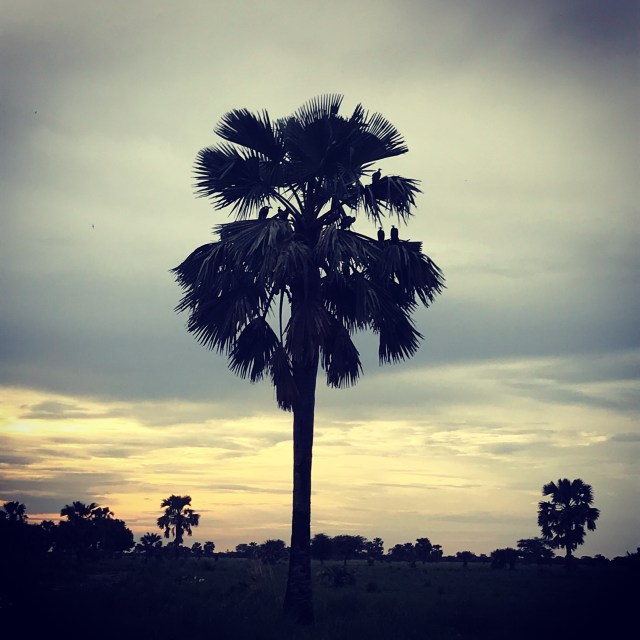
Duk Padiet — The Beacon of Peace
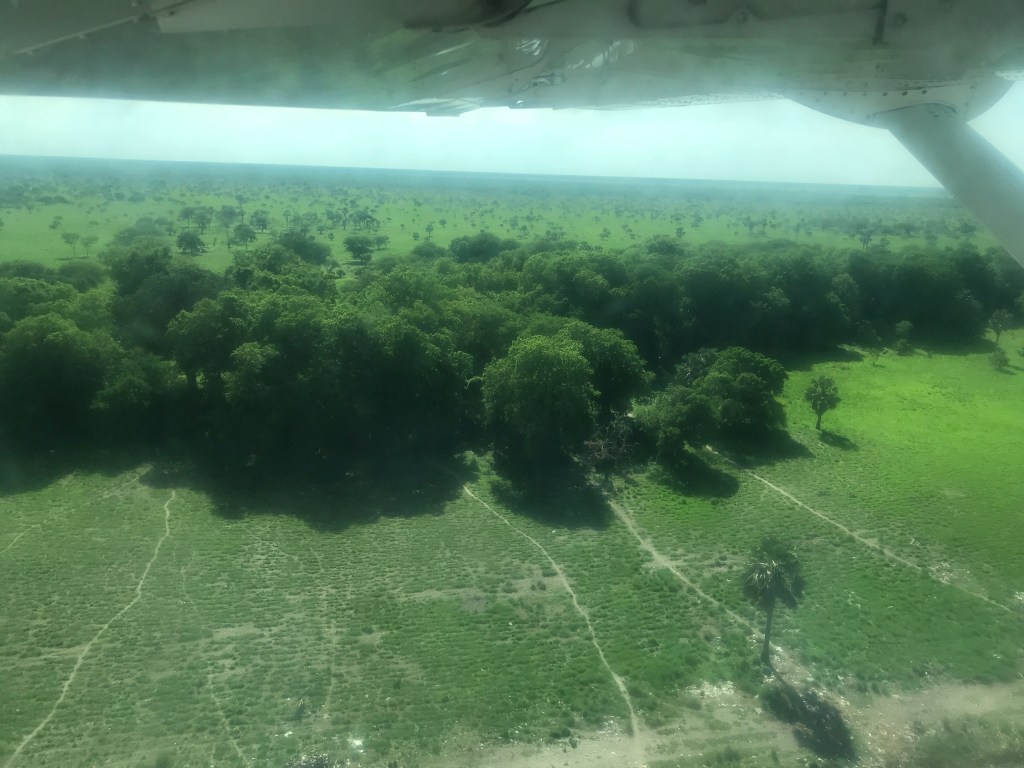
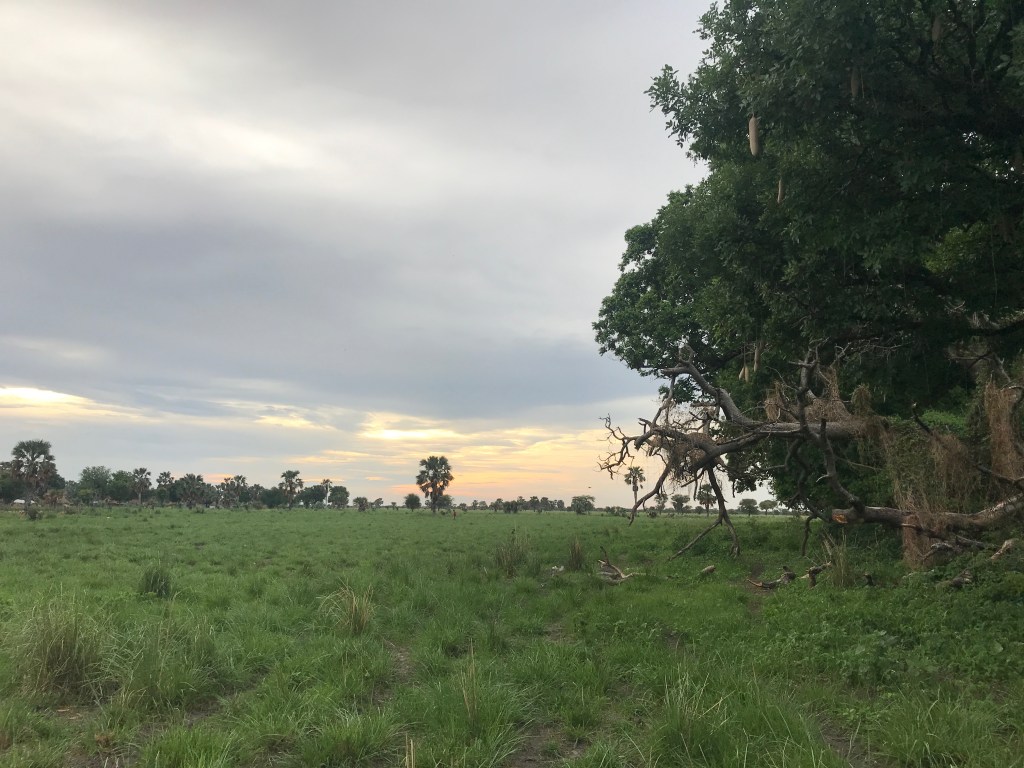
We arrive in Duk Padiet in the morning after a short flight from Juba. It is the rainy season, and to the pilot’s delight the dirt landing strip is dry and clear of cattle—though we land right beside the market’s cattle byre. As soon as we disembark, I notice the soil: black earth mixed with sand. When it rains, the sand rises to the surface, preventing muddiness. Duk Padiet is part of the former Duk County of Jonglei State, but since 2016 it has stood as its own county, alongside Duk Payuel and Panyang.
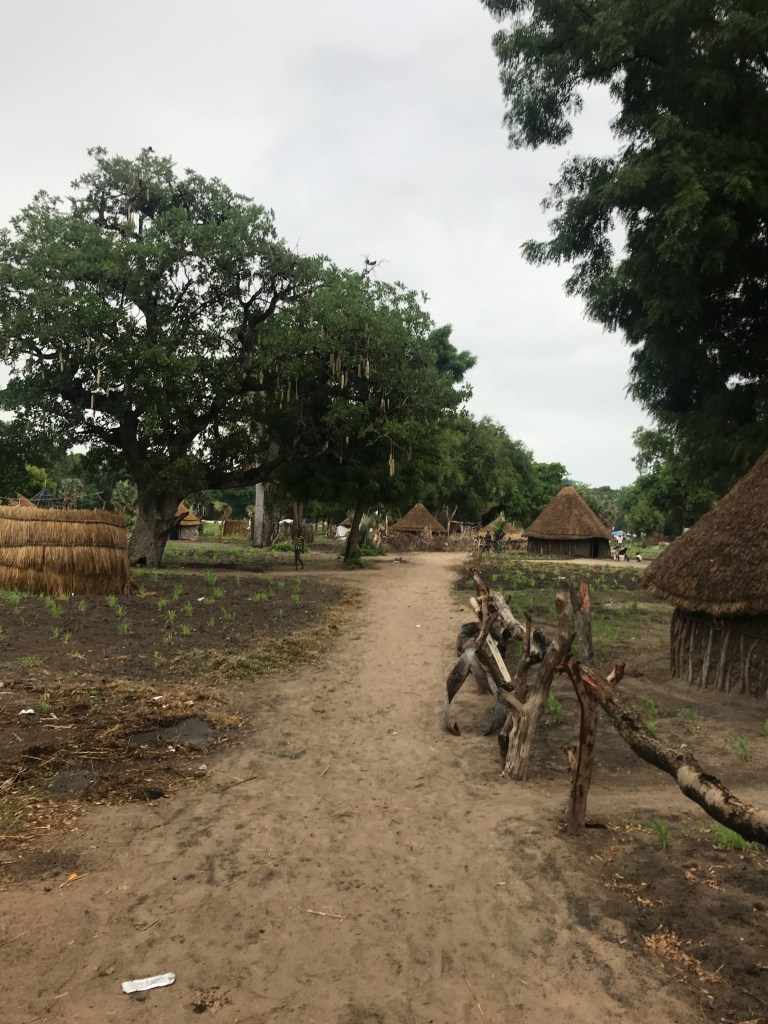
Duk Padiet is breathtakingly beautiful. Its population is noticeably young and industrious.
Our hosts receive us warmly. We walk briskly through a bustling market to their compound, where we receive a situational briefing and a rundown of the day’s program. The presentation includes an account of what transpired the previous day: gunshots rang out briefly, and stray bullets reached the market area as local youth repelled a cattle raid by Murle youth.
As we walk through town, I hear Dinka and Nuer spoken almost interchangeably, fluently, with a sprinkling of Arabic and English here and there. I learn that the community is composed mainly of Dinka Nyarweng and Hol, joined by displaced and seasonal migrants from Gaawar and Lou Nuer. Duk Padiet suffered immense devastation between 2014 and 2015 as a result of the conflict. At one point, the town was entirely deserted. People sought refuge in Bor, Awerial, Juba, Yei, and refugee camps in Uganda.
Some families have since returned. Many educated young men have also come home from East Africa and now work with Catholic Relief Services, the area’s major employer.
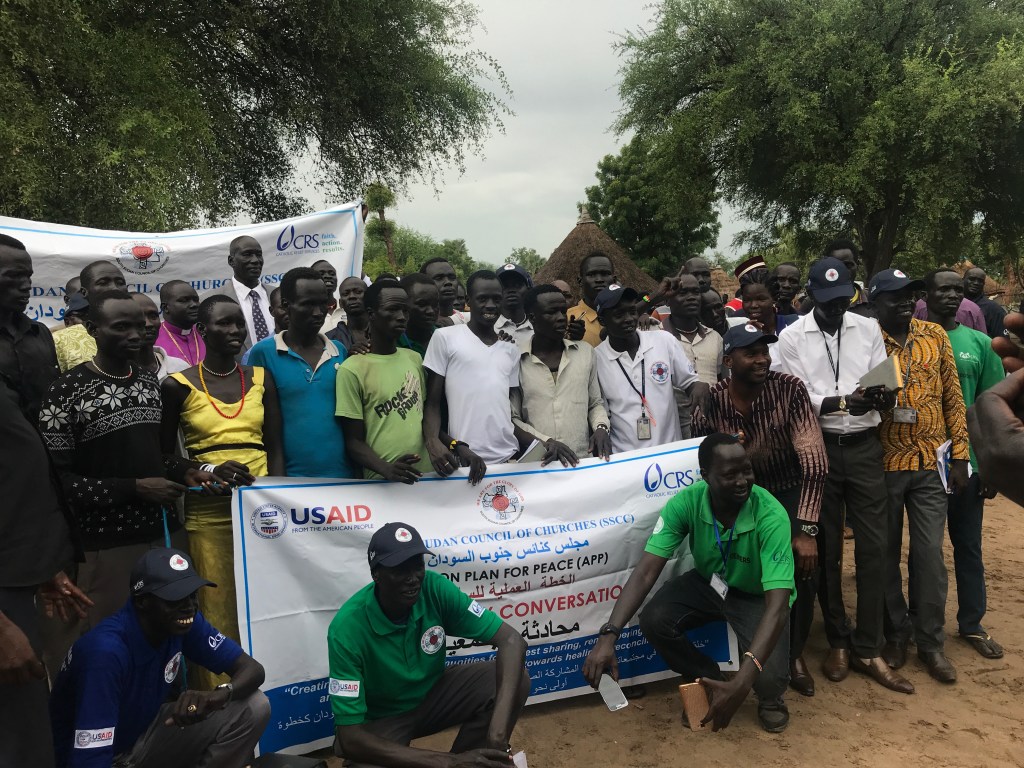
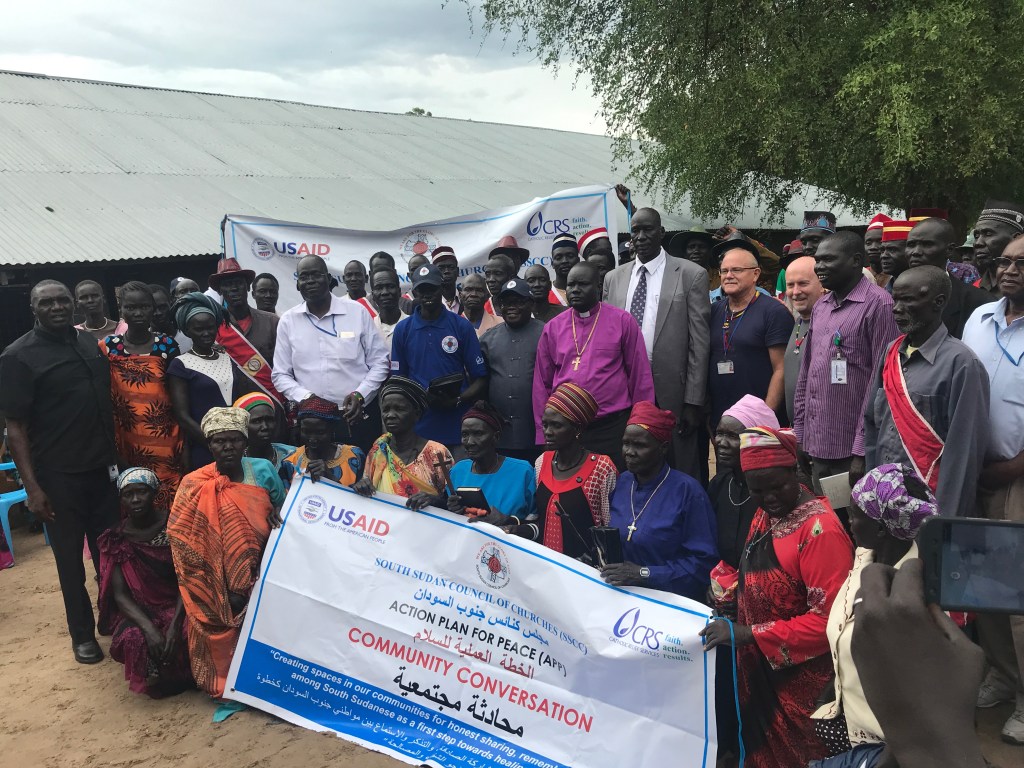
I am here as an invitee to witness the South Sudan Council of Churches’ Action Plan for Peace (APP) Community Conversation in Duk Padiet. I am struck by the openness with which participants communicate and the ease with which they receive each other’s reports—despite the gravity of the matters discussed. The conversation tackles cattle raiding, youth unemployment, political interference, reconciliation, reparations, the integration of IDPs from neighboring communities, and joint policing of the area.
These are not light subjects. Yet they are handled with remarkable steadiness. It is clear that this space has been deliberately consecrated as safe—a place where trust is being rebuilt consciously, patiently. Duk Padiet, in this sense, stands as a beacon of peace.
My time here is brief—less than twenty-four hours—but I am fortunate to converse with Mr. Michael Malual Wuor, former Commissioner of Duk Padiet. In my view, he is a living hero. He walked through hostile territories and fractured communities to restore Duk Padiet after its devastation. He persevered through disbelief, traversed for days on foot, negotiated peace between hostile groups, and mobilized solidarity from benefactors to realize a vision many thought impossible. Today, he lends his experience as a consultant to APP Community Conversations across South Sudan.
Duk Nyan Piec Dieth — The Sacred Grove
Before my departure from Juba, a dear friend from Duk County implores me not to leave the area without visiting Duk Nyan Piec Dieth. He entices me with the grove’s legend: that every night, a woman’s voice and a newborn’s cry are heard from the forest—the woman singing a lullaby to the babe. Nyan Piec Dieth means “the girl who just gave birth” in Dinka.
Legend tells of a young woman who eloped against her family’s wishes. After giving birth at her parents’ home, she attempts to return to her husband. Somewhere along the way, she either gets stuck or chooses to remain in the forest. She lives there until her death, never returning to the village. Since then, her voice—and that of her child—is said to echo through the grove at night.
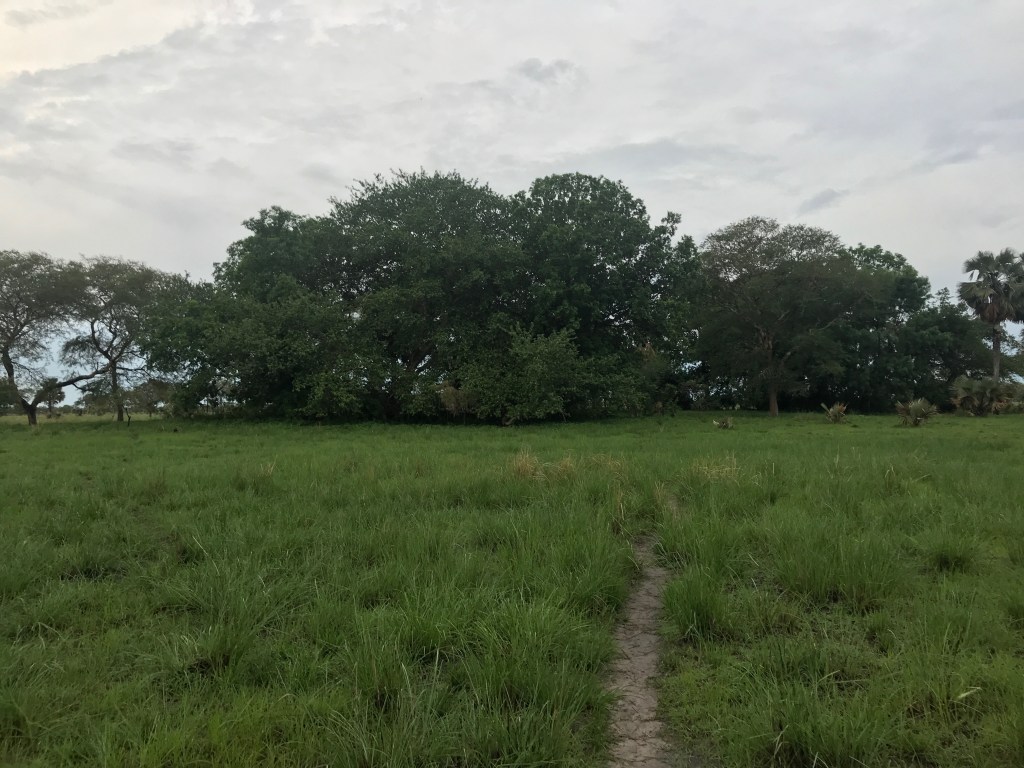
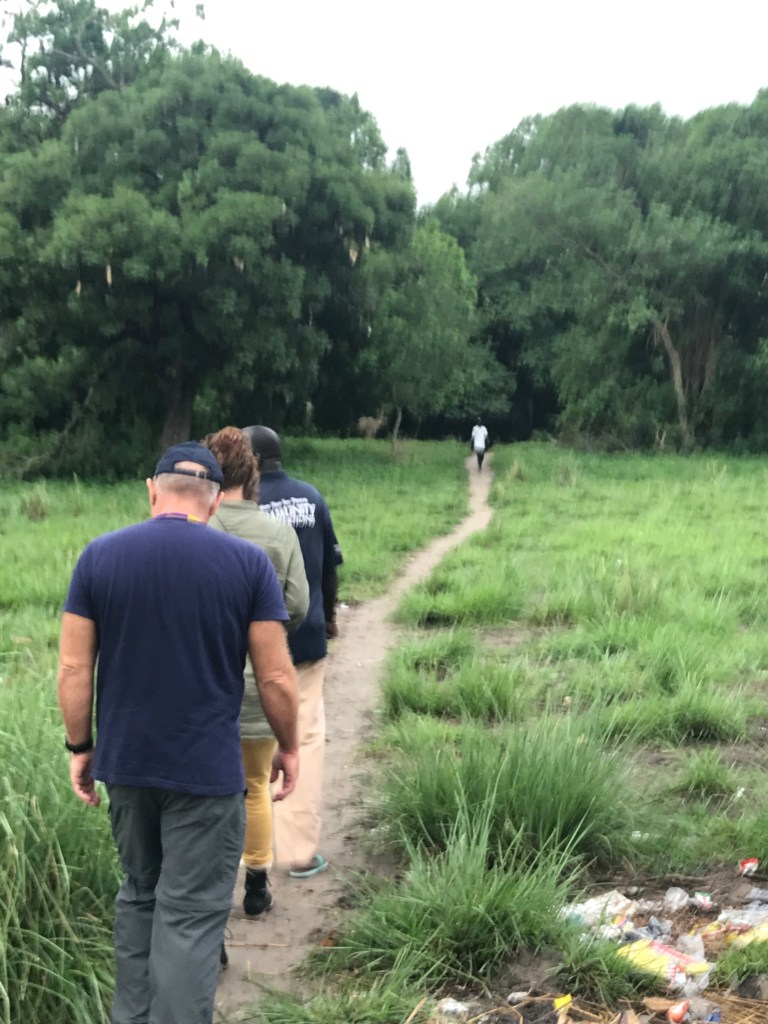
By the end of the day’s program, I announce my intention to visit the grove. I quickly assemble a small group: the former Commissioner, two guides, and three members of the organizing team. What we later call our “pilgrimage” begins.
As we approach the forest, we find groups of townspeople scattered on the high ground near its edge, noticeably on their phones. Our guides explain: this is the only place in town where one can catch a signal.
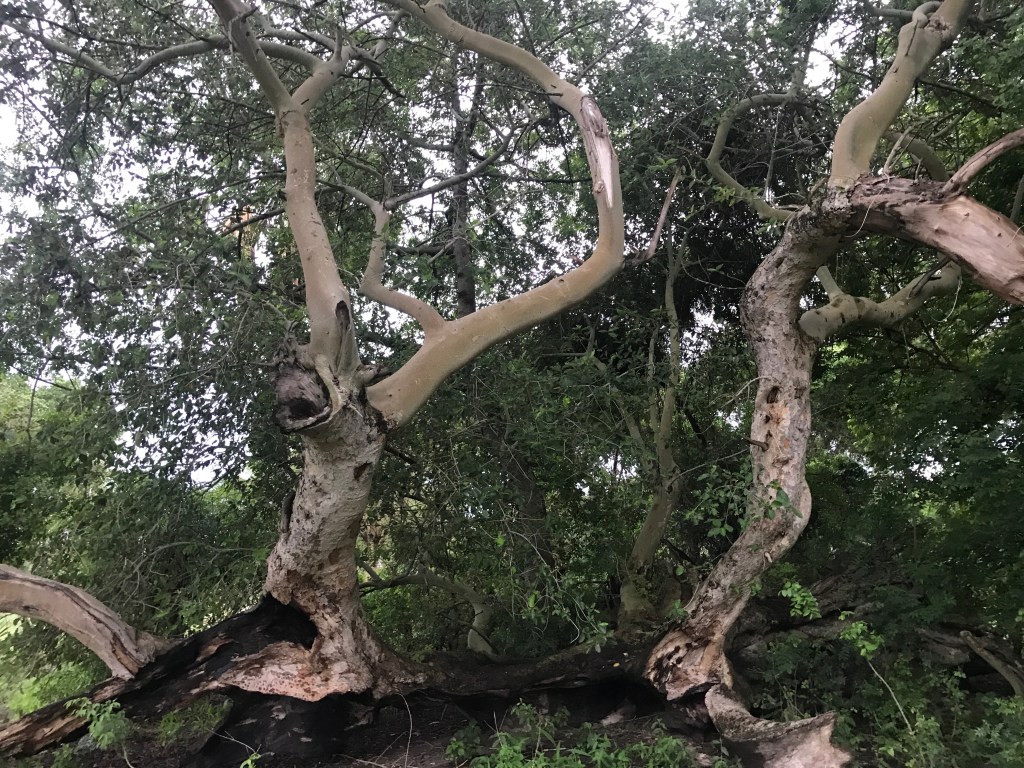
The onlookers seem amused by our mission. Once inside, the atmosphere shifts. The ground feels hallowed. We are told that no bullet can penetrate the forest. That snakes dwell there but do not harm people. That trees regenerate when cut. That attackers attempting to pass through the grove cannot cross it.
In the past, clan spiritual leaders performed rituals here. Today, we are told, most people—now Christianized—no longer believe in the grove’s legends or its sacredness.
We spend the night in a compound facing Duk Nyan Piec Dieth. I listen intently for the woman’s voice or the child’s cry. I hear neither. Instead, I hear distant gunshots. Still, I fall asleep, my mind filled with images of the Sacred Grove.
We leave for Juba in the morning.
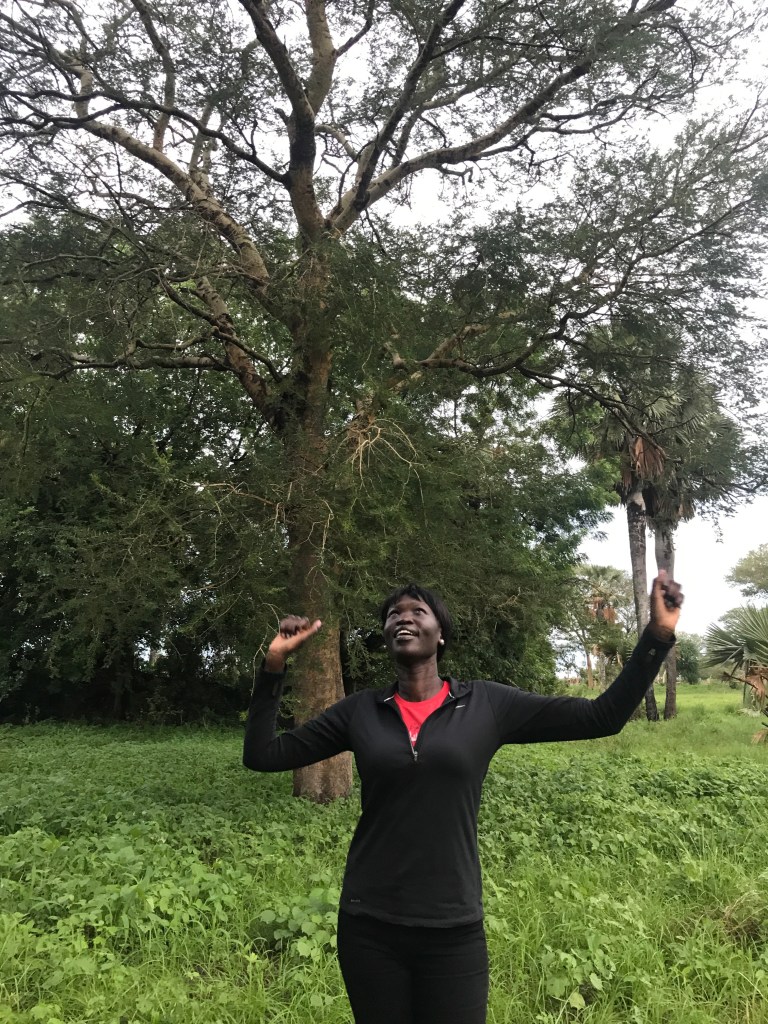
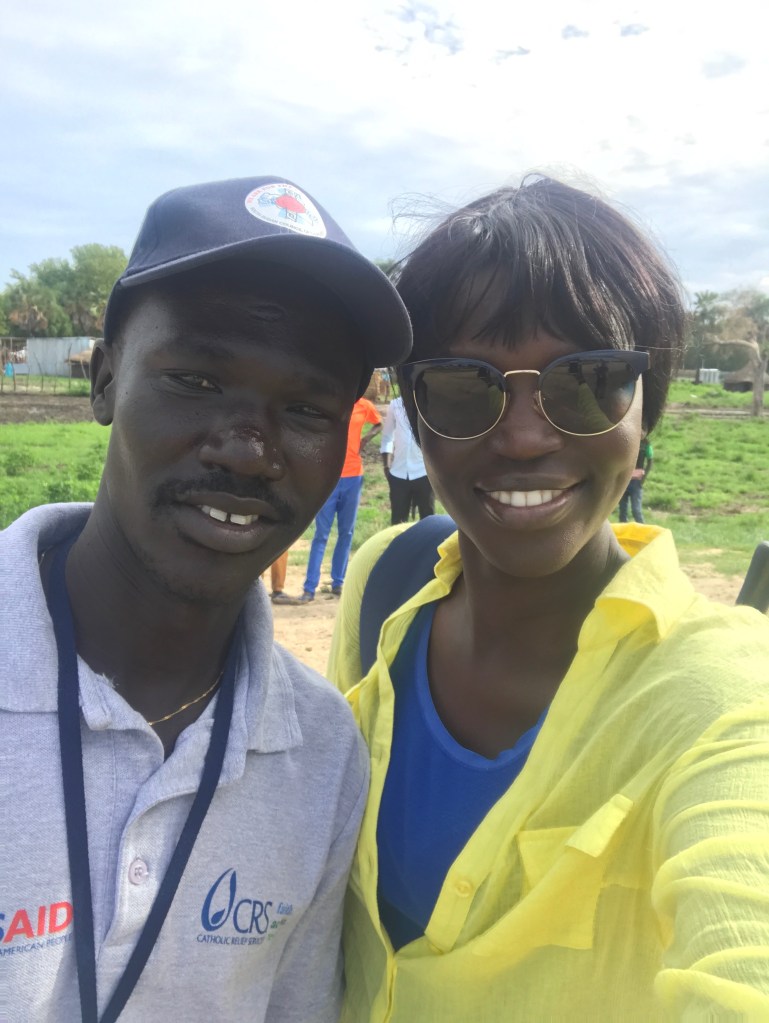
Here are some pictures from the trip:

© Apuk Ayuel Mayen. All rights reserved.
 Apuk Ayuel Mayen